About
Home
Mission & Values
History
»
Events
Board Of Directors
Committee Chairs
Chief Editors
Conferences
Code Of Ethics
Leadership
Accreditation
Contact Us
FAQ
Advertising
»
Publications & Website
Preferred Vendor Program
Conference Sponsorship
Conference Exhibitor
Membership
Why Join IMATA
Join / Renew
Conferences
2026 Orlando
Events
Regional Workshops
Seminars & Classes
Research & Conservation
Conservation Fund
»
Past Awards
Research Grant
»
Past Awards
Designing A Project
Writing A Paper
Careers
How To Become A Trainer
Colleges & Universities
Post A Job
Education
Hot Topics
Recommended Reading
Marine Animal
Endangered Species
Username:
Password:
Forgot Password?
Login
Member Tools
Update Profile
Change Password
My Orders
Apply For Board Position
Apply For Committee
Apply To Be A Judge
Apply For Accreditation
Award Nomination Form
Membership Directory
Friends Of IMATA Vendors
Soundings
Current Issue/Archives
Careers
Job & Internship Board
Post A Job
Resume Writing Tips
Interview Tips
Public Speaking Tips
Swim Test Tips
Facility Pass
Benefit Summary
List Of Facilities
Add Your Facility
My Facility Pass
Trainer Tools
Member Forum
Behavior Pyramids
Training Equipment
Terms Glossary
Video Glossary
Resources
Conference Content
»
Opening Videos
Aquatic Mammals Journal
eLearning
»
Bottlenose Dolphin Anatomy & Physiology
Bottlenose Dolphin Distribution, Habitat & Diet
Bottlenose Dolphin Scientific Classification
Sea Lion Anatomy and Physiology
Sea Lion Classification, Distribution, Habitat & Diet
LEARNING FROM marine animals
Merchandise
Men's Apparel
Women's Apparel
Accessories
Gift Items
Award Winners
Sonny Allen Award
John Kirtland Award
Behavioral Training
Husbandry Training
Research Training
Education - Conservation
People's Choice
Editor's Choice
First Time Presenter
Poster Presentation
Outernet Technology
Coll Perske Photo & Art
About
Home
Mission & Values
History
»
Events
Board Of Directors
Committee Chairs
Chief Editors
Conferences
Code Of Ethics
Leadership
Accreditation
Contact Us
FAQ
Advertising
»
Publications & Website
Preferred Vendor Program
Conference Sponsorship
Conference Exhibitor
Membership
Why Join IMATA
Join / Renew
Conferences
2026 Orlando
Events
Regional Workshops
Seminars & Classes
Research & Conservation
Conservation Fund
»
Past Awards
Research Grant
»
Past Awards
Designing A Project
Writing A Paper
Careers
How To Become A Trainer
Colleges & Universities
Post A Job
Education
Hot Topics
Recommended Reading
Marine Animal
Endangered Species
Member Tools
Update Profile
Change Password
My Orders
Apply For Board Position
Apply For Committee
Apply To Be A Judge
Apply For Accreditation
Award Nomination Form
Membership Directory
Friends Of IMATA Vendors
Soundings
Current Issue/Archives
Careers
Job & Internship Board
Post A Job
Resume Writing Tips
Interview Tips
Public Speaking Tips
Swim Test Tips
Facility Pass
Benefit Summary
List Of Facilities
Add Your Facility
My Facility Pass
Trainer Tools
Member Forum
Behavior Pyramids
Training Equipment
Terms Glossary
Video Glossary
Resources
Conference Content
»
Opening Videos
Aquatic Mammals Journal
eLearning
»
Bottlenose Dolphin Anatomy & Physiology
Bottlenose Dolphin Distribution, Habitat & Diet
Bottlenose Dolphin Scientific Classification
Sea Lion Anatomy and Physiology
Sea Lion Classification, Distribution, Habitat & Diet
LEARNING FROM marine animals
Merchandise
Men's Apparel
Women's Apparel
Accessories
Gift Items
Award Winners
Sonny Allen Award
John Kirtland Award
Behavioral Training
Husbandry Training
Research Training
Education - Conservation
People's Choice
Editor's Choice
First Time Presenter
Poster Presentation
Outernet Technology
Coll Perske Photo & Art
90
13
13
46
90
13
13
46
NEWS & EVENTS
Check out the 1st Quarter 2026 issue of Soundings
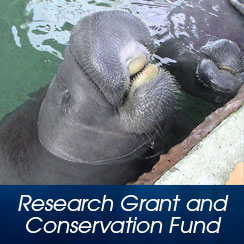
IMATA gives back by funding research and conservation. Learn more about how to apply.
Apply for an IMATA Board of Directors position
Hey members - Check out the gallery of Conference Opening Videos!
FRIENDS OF IMATA VENDORS